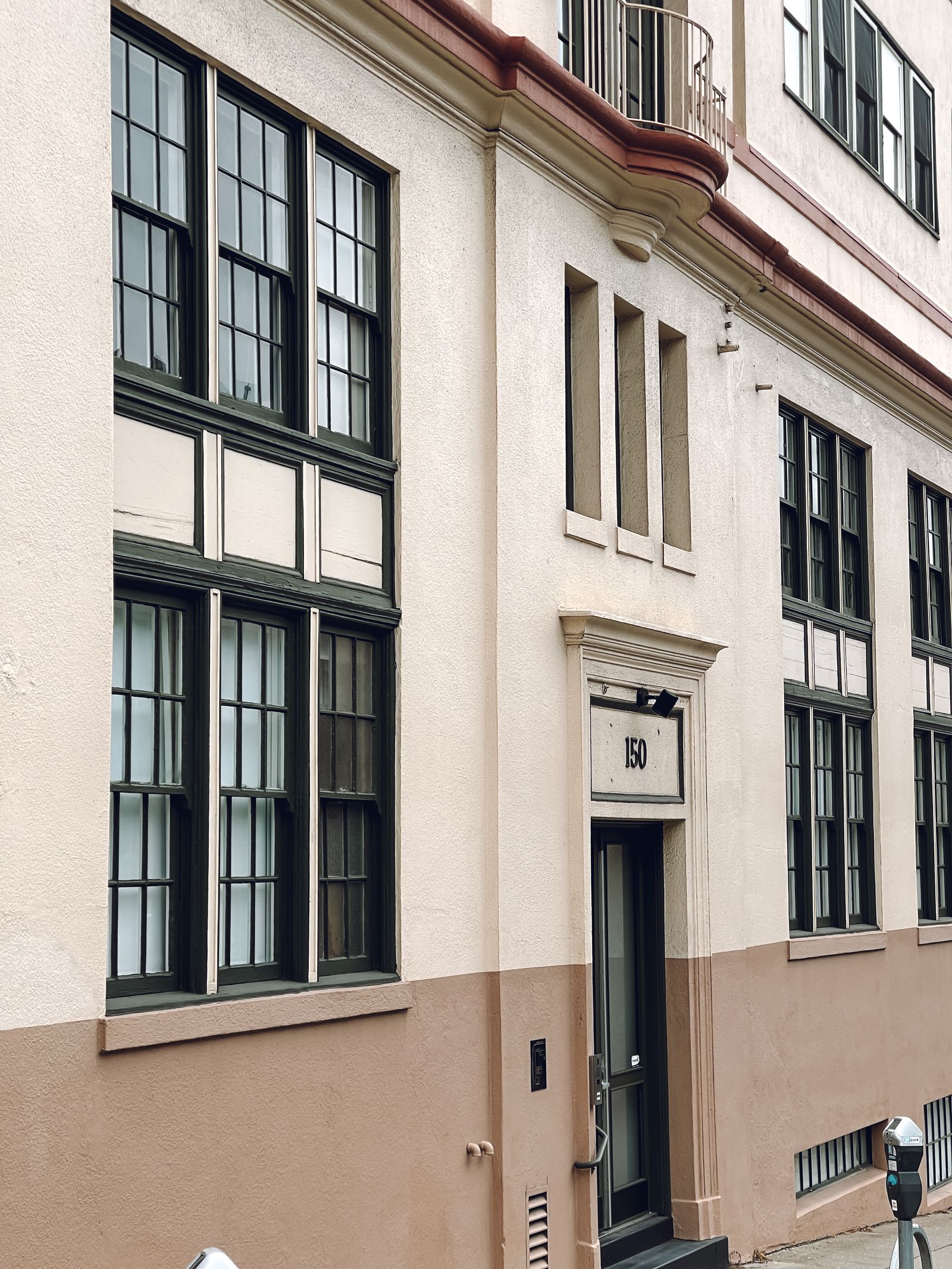
Start with the Burlington material, not the machine
Soft washing generally relies more on compatible chemistry, dwell time, and controlled rinsing than on impact force. It may fit selected brick, painted concrete, stucco, EIFS, coated panels, and other tested surfaces affected by algae, mildew, pollen, bird residue, and atmospheric film. That does not mean every low-pressure wash is gentle. Chemistry strength, temperature, dwell, wind, overspray, failed joints, and the rinse pattern still affect the substrate. A test area matters when an older Burlington facade has soft mortar, repaired brick, peeling paint, salt exposure, or several generations of coatings.
Pressure washing uses mechanical force and can be useful on sound concrete approaches, loading aprons, garage floors, durable sidewalks, ramps, and selected service yards. It is not automatically appropriate for every wall. Excess force can erode old mortar, strip paint, etch soft stone, damage a brick face, open a joint, or push water behind a coating. Ask the contractor to identify the surface, the reason for the method, the tested force and distance, and the finish inspection. Equipment size is not a method statement.
Choose soft washing for compatible organic and atmospheric deposits
Soft washing may be the better starting point when the Burlington problem is algae or mildew on a shaded elevation, pollen on a broad wall, bird residue below a roofline, or atmospheric film on a facade that should not be aggressively abraded. A lake-facing wall may have recurring dampness, while an Old North End side wall under trees may dry slowly. A South End building can have a different deposit pattern near production activity, parking, and loading. The useful question is whether the chemistry and dwell can release the deposit without harming the material or nearby occupants, plants, windows, and metal.
A soft-wash proposal should still define concentration, dwell behavior, protection, rinse approach, wind limits, and what happens to runoff. It should not promise to remove every dark mark. Salt bloom, mineral scale, rust, soot, tire marks, oxidation, paint failure, and efflorescence may need another method or specialist. On a historic or fragile wall, cleaning can expose repairs and color variation that were hidden by soil. An owner should approve an expected result with those limits in view.
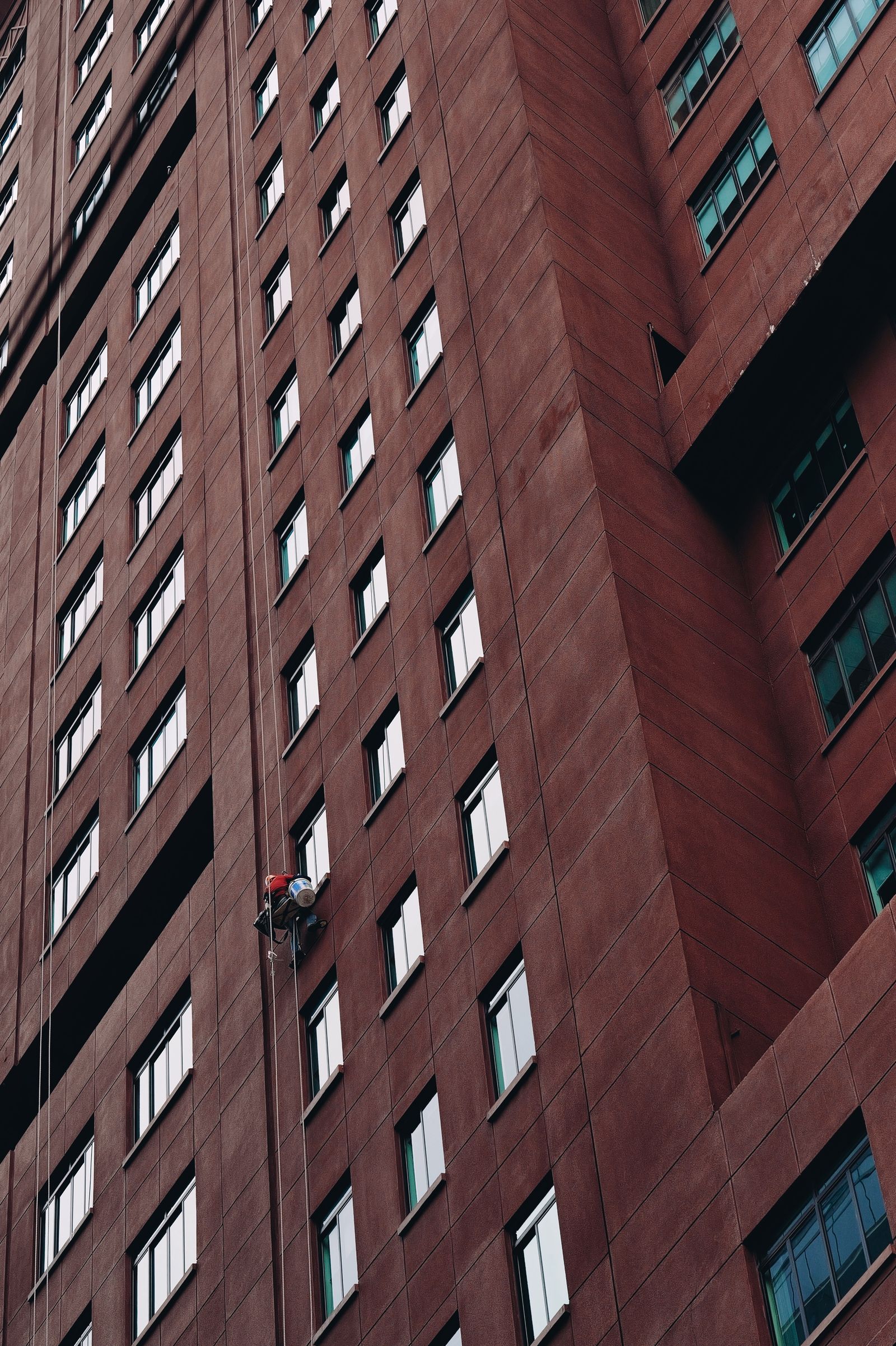
Use pressure selectively on hardscape and service areas
Pressure washing can make sense on a Burlington loading apron, garage ramp, concrete sidewalk, parking deck, dumpster pad, or service yard when the surface is sound and water can be managed. These lower zones often collect deicing salt, sand, oil, food residue, grit, and road film that may respond to agitation and controlled force. Around Pine Street, Flynn Avenue, North Avenue, or a busy Shelburne Road property, the cleaning team may need to work around deliveries, forklifts, public traffic, and doors rather than treating the hardscape like an empty driveway.
Even durable concrete needs a plan. High force can expose aggregate, leave wand marks, damage joint filler, spread oily residue, or send sediment toward an inlet. Pressure near storefront glass, painted walls, landscaped beds, basement entries, electrical equipment, and air intakes should be reduced or avoided. The proposal should identify the exact hardscape zones, test a representative area, control overspray, manage wastewater, and document stains that will remain because the concrete is worn or the contaminant has penetrated.
Burlington access can change the right answer
Method selection is also an access decision. A Downtown building near Church Street may have no practical place for a lift, long hose runs, or a parked truck without affecting pedestrians and deliveries. An upper wall beside North Avenue may be reachable only with a controlled aerial, pole, lift, or phased closure. A waterfront property may have wind and public separation concerns. A clinic or school adds sensitive operations and accessible routes. A warehouse may have high bays, loading schedules, and a different risk profile from a retail storefront.
Aerial assistance can support suitable broad upper zones when launch space, line of sight, stand-off, weather, airspace, and public controls are workable. It does not replace hand detail around windows, frames, signs, cornices, awnings, canopies, or historic trim. Commercial drone work must follow FAA requirements and obtain any needed authorization. Ask for a zone-by-zone plan with a backup method if wind, traffic, people, wires, trees, or finish requirements make aerial work unsuitable. An honest proposal may combine soft washing on wall fields, pressure on a tested apron, and hand work at entries.
Compare winter residue, lake moisture, and runoff separately
Burlington's climate creates several cleaning problems that should not be collapsed into one method. Snow and deicing products leave residue at entrances and curb lines. Freeze-thaw movement can open joints or make vulnerable masonry less tolerant of water and force. Lake humidity and shade can support organic growth. Spring melt can bring sand and soil back across a clean lower wall. Rain and wind can streak an exposed elevation. A method that improves the upper facade may be wrong for the salt line at the base, and a pressure rinse that clears a concrete apron may be inappropriate on the brick above it.
Runoff should be reviewed before equipment arrives. Map slopes, catch basins, basement stairs, planting beds, public sidewalks, parking spaces, and routes toward the lake or Winooski River. Ask whether protection, diversion, collection, recovery, reduced water volume, or a different work sequence is required. A contractor should also flag oil, fuel, grease, sediment, paint, or chemical storage because a facade wash can become a contaminated-water problem when those materials are present. Method comparison is incomplete if it discusses surface force but ignores where the water ends up.
Use a decision matrix before approving the proposal
A Burlington owner can compare proposals with a short set of practical questions: What is the substrate on each elevation? What is the deposit, and how was it identified? Is the goal recurring appearance maintenance, winter-residue removal, a pre-lease reset, or specialty restoration? Which zones are soft washed, pressure washed, hand detailed, or left out? What test area and finish standard will be used? Where will water travel? How are public routes, landscaping, windows, air intakes, and tenant operations protected? What weather conditions stop the work? If access depends on a lift or drone, what is the backup?
The lowest number may not be the lowest-risk scope if it leaves salt, mineral scale, stained concrete, inaccessible upper areas, or damaged coating outside the price. Conversely, a proposal that applies soft washing to every surface may overlook hardscape, oil, rust, or repair needs. Look for an elevation schedule, material notes, exclusions, protection plan, runoff assumptions, weather limits, access method, and closeout procedure. The strongest plan may be hybrid: chemistry-led facade cleaning, controlled pressure on a tested concrete zone, and detail work at entries and trim.
Turn the comparison into a Burlington work plan
Before requesting a quote, send the address, photos of each elevation, approximate heights, material notes, visible deposits, access constraints, water availability, drain locations, preferred dates, and the building's busy periods. Note whether the property is in Downtown, the Old North End, the South End, the Hill Section, the New North End, Lakeside, or near the waterfront because those surroundings can affect staging, wind, shade, traffic, and runoff. Include tenant, patient, guest, student, delivery, outdoor dining, security, and event requirements.
A site-specific conversation can separate the appearance goal from the method. Drone Building Cleaners can discuss soft washing, controlled pressure on suitable zones, high-access glass rinsing, roofline and canopy details, recurring maintenance, and alternatives when a surface needs repair or specialty restoration. Call +1 239-351-2897, email contact@dronebuildingcleaners.com, or use the quote form to compare a scope that fits the building's materials, access, weather, and operating reality.